
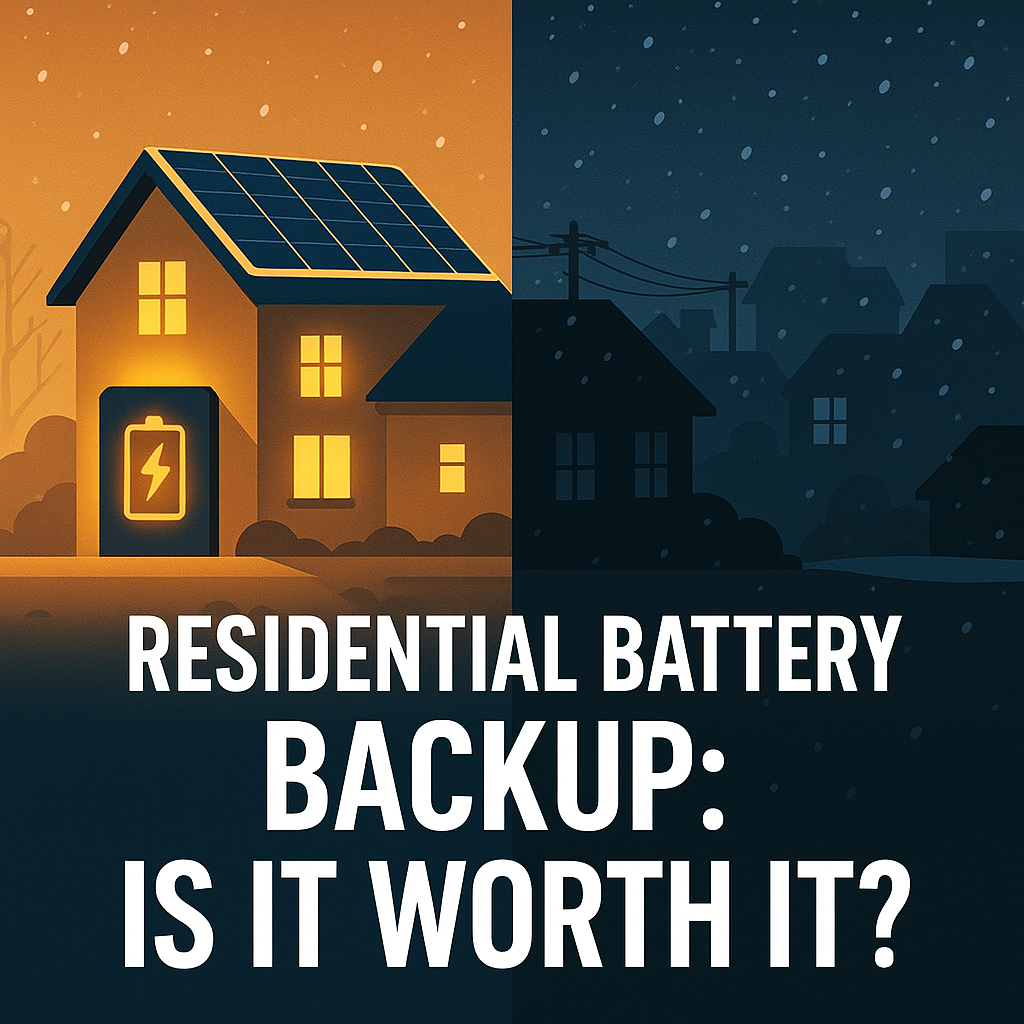
Is a Home Battery Backup System Worth It?
A home battery backup system can keep essential circuits operating during a power outage and, depending on the utility rate structure, shift energy use away from expensive peak periods. Whether it is worth the cost depends on your outage frequency, essential loads, required runtime, available solar production and local electricity rates.
Compared with a generator, batteries operate quietly, require no stored fuel and can provide automatic backup. Their limitation is stored energy: backing up an entire home for multiple days can require a large and expensive battery bank. For many homeowners, protecting selected critical loads provides a better balance of cost and resilience.
This guide compares installed costs, coverage options, advantages, limitations and alternatives so you can decide what level of home battery backup makes sense.
What Is a Home Battery Backup System?
A home battery backup system stores electrical energy for later use. During an outage, an inverter converts the battery’s DC energy into AC power for selected household circuits or, in larger systems, the entire home.
The battery may charge from rooftop solar, the utility grid or both. A complete permanently installed system generally includes battery modules, an inverter or hybrid inverter, controls, overcurrent protection and transfer equipment that isolates the home from the utility during an outage.
Battery capacity, measured in kilowatt-hours, determines how much energy is available. Inverter output, measured in kilowatts, determines how much electrical load can operate at one time. A system can therefore have adequate stored energy but still be unable to start or operate large loads if its inverter is undersized.
Typical Home Battery Backup Costs
Installed cost varies by storage capacity, power output, equipment configuration, installation complexity and location. As of 2026, EnergySage reports an average installed price of approximately $15,650 for a 13.5 kWh home battery system before state or local incentives.
| Backup approach | Example storage | Typical coverage | Illustrative installed cost* |
|---|---|---|---|
| Essential-load backup | 10–15 kWh | Refrigerator, lights, internet and selected outlets | $11,500–$17,500 |
| Broader partial-home backup | 20–30 kWh | More circuits or longer outage coverage | $23,000–$35,000 |
| Large or extended backup | 40–60 kWh | High-load homes, greater coverage or longer outages | $46,000–$70,000 |
*Illustrative gross costs based on EnergySage’s 2026 national average of approximately $1,159 per kWh. Actual quotes vary substantially by equipment, installation, location and available incentives. Runtime depends on the loads operated, not storage capacity alone.
How Grid Reliability Affects the Decision
A home battery’s value depends on more than how often the utility fails. Outage duration, the loads that must remain available and the consequences of losing power are equally important.
Short, infrequent outages may not justify the cost of whole-home backup. However, battery storage may provide meaningful value when outages are prolonged, medically necessary equipment must remain available, refrigeration losses are costly or the property cannot tolerate interruptions to communications, heating controls, well pumps or other essential loads.
Review your utility’s outage history and identify the circuits you genuinely need during an outage. A smaller system serving carefully selected critical loads often provides better value than attempting to operate the entire home for several days.
How Net Metering Affects Battery Economics
Net-metering and net-billing policies determine how much a utility credits customers for excess solar electricity exported to the grid. These rules vary substantially by utility and location and can change over time.
When exported electricity receives approximately the same value as electricity purchased from the utility, the grid effectively provides favorable energy accounting and a battery may offer limited additional bill savings. When export compensation is substantially lower than the retail electricity rate, storing surplus solar energy for use later can become more valuable.
Time-of-use rates, demand charges, battery-control settings and available incentives also affect the economics. Review your utility’s current tariff before estimating savings; a battery purchased primarily for outage protection may not produce an attractive financial return from energy shifting alone.
Battery storage does not automatically provide backup power. The system must include compatible equipment and controls that safely isolate the home from the utility during an outage.
Home Battery Backup Options
Whole-home backup is designed to serve most or all household circuits during an outage. It offers the most familiar operating experience, but it generally requires greater battery capacity, higher inverter output and more extensive electrical work than critical-load backup.
Large loads such as central air conditioning, electric resistance heating, water heaters, clothes dryers, ranges, well pumps and EV chargers can quickly increase both power and energy requirements. Some systems manage these loads automatically or disconnect them during an outage to avoid oversizing the battery and inverter.
Whole-home backup is most appropriate when maintaining normal operation is important and the owner accepts the higher cost. Even then, “whole home” does not necessarily mean every appliance can operate simultaneously or indefinitely.
Note: As an affiliate I earn from qualifying purchases. By using our links you are supporting Evergreen Off-Grid. Thank you!
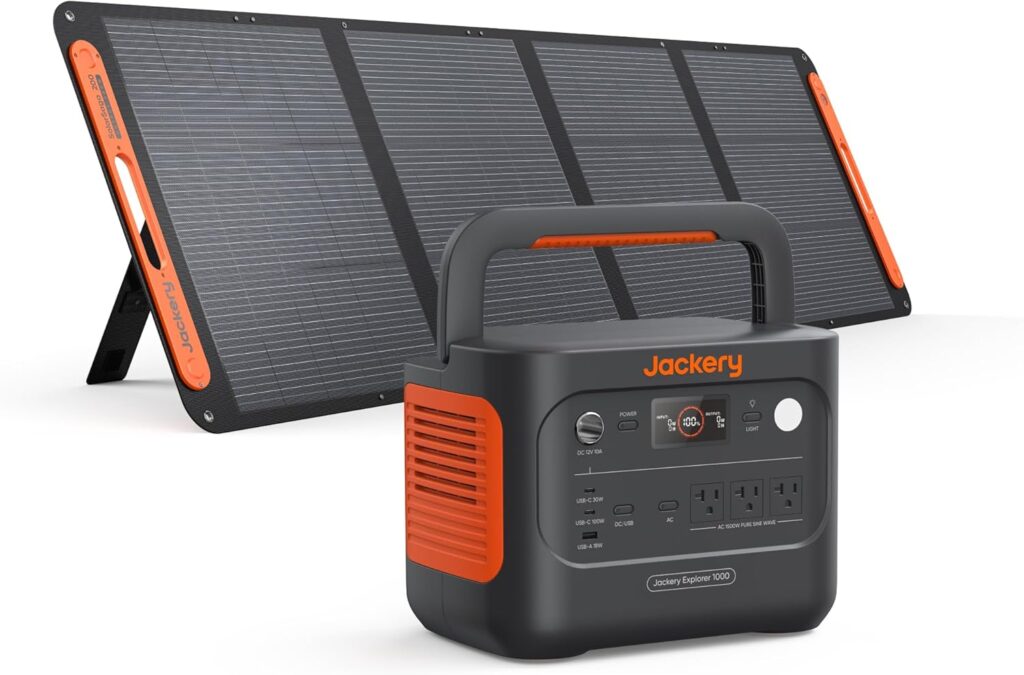
Jackery Solar Generator 1000 v2 with 200W Solar Panel,1070Wh Portable Power Station LiFePO4 Battery,1500W AC/100W USB-C Output
$1,299.00 Original price was: $1,299.00.$699.00Current price is: $699.00.
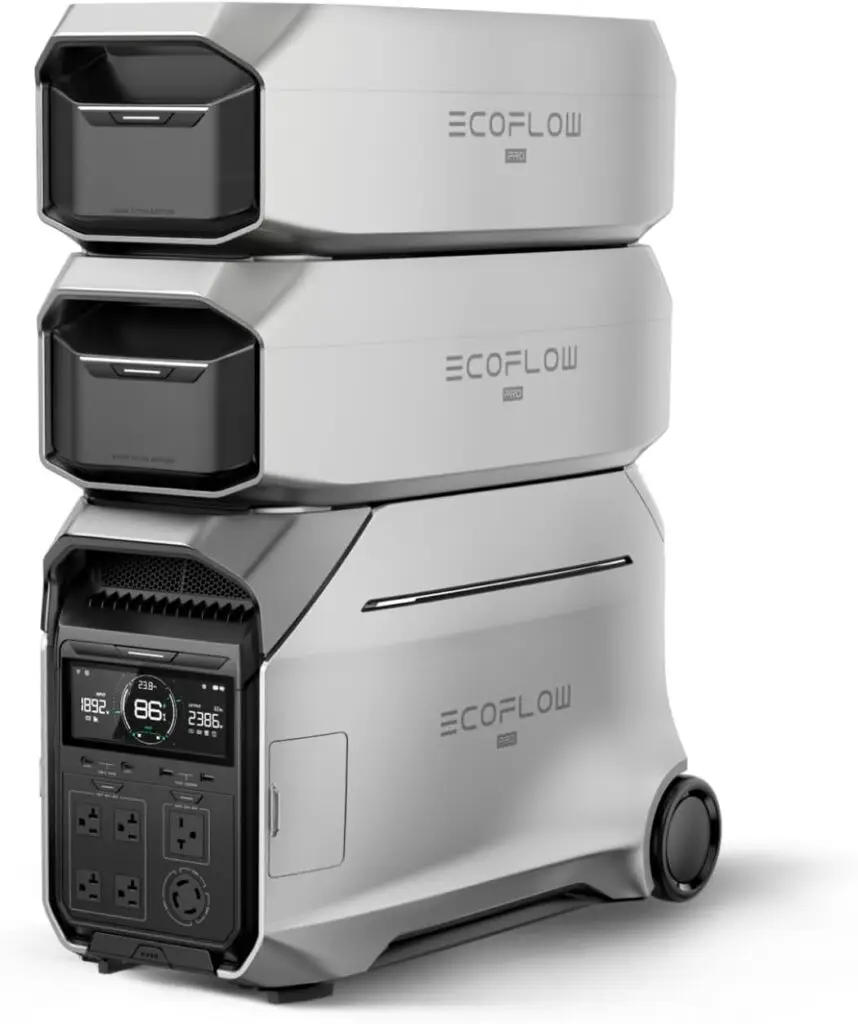
- 4000W Output (6000W with X-boost)
- 12kW Capacity
$9,599.00 Original price was: $9,599.00.$6,198.00Current price is: $6,198.00.
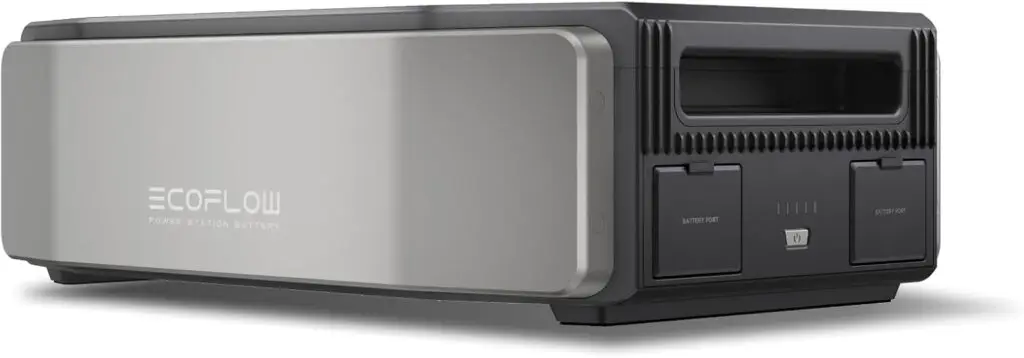
- 21kW Output!
- 90kWh Capacity!
$3,299.00 Original price was: $3,299.00.$2,299.00Current price is: $2,299.00.
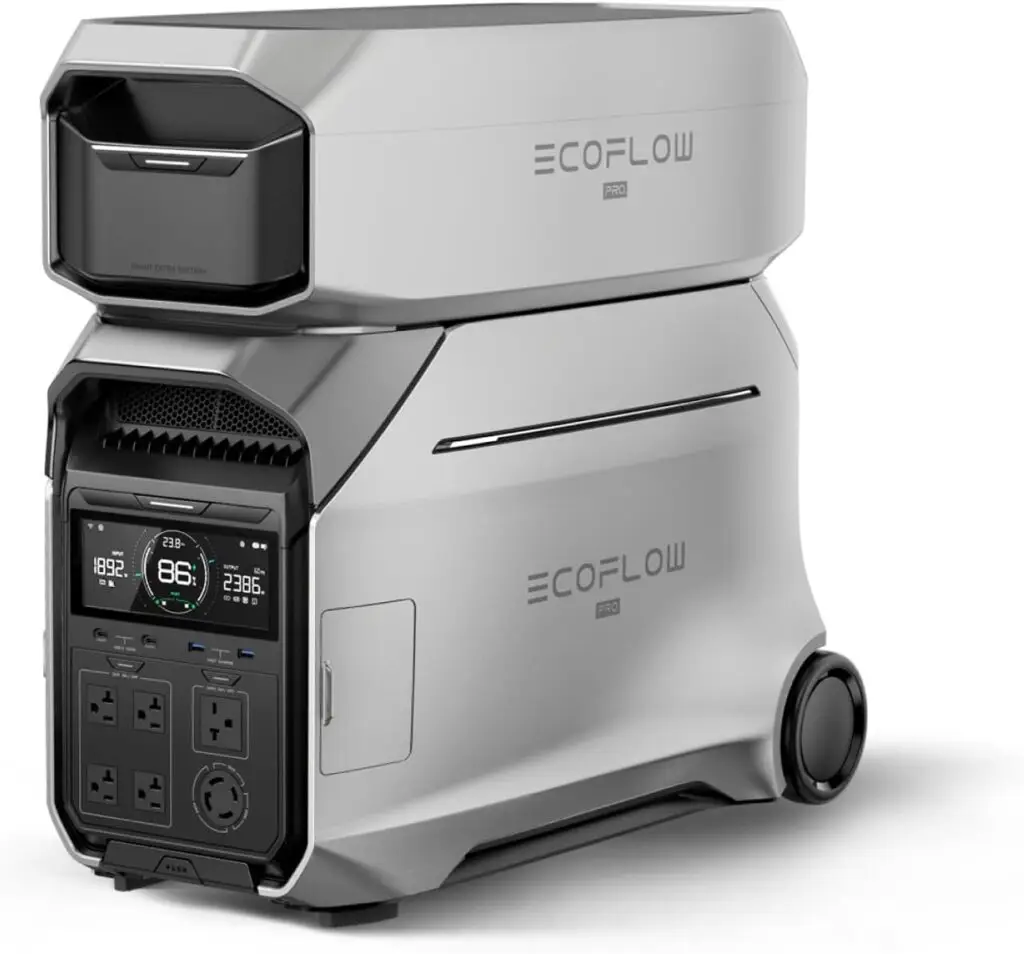
- 4000W Output
- 8000Wh Capacity
$6,298.00 Original price was: $6,298.00.$4,099.00Current price is: $4,099.00.
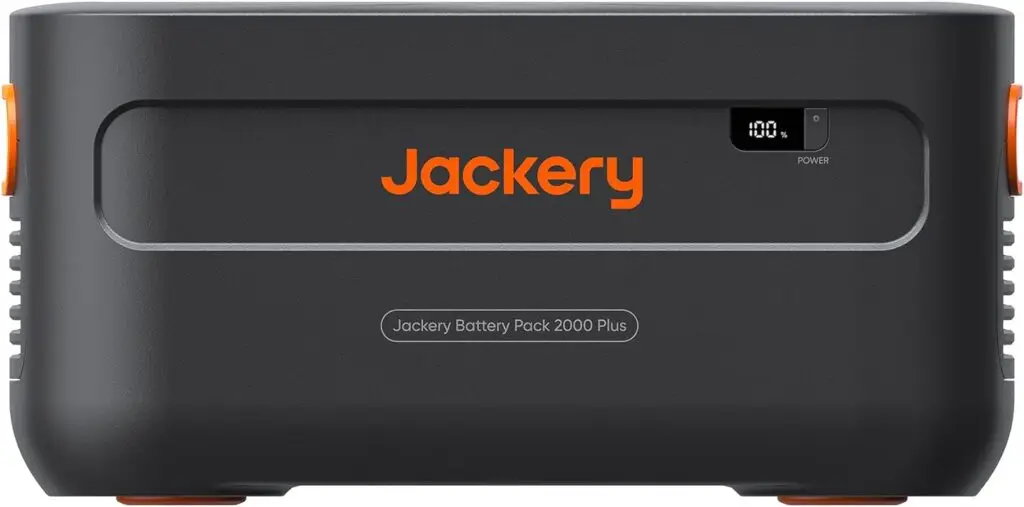
- 3000W Output
- Extra 2000 Wh Capacity
- Expandable up to 24 kWh!
$1,599.00 Original price was: $1,599.00.$929.00Current price is: $929.00.
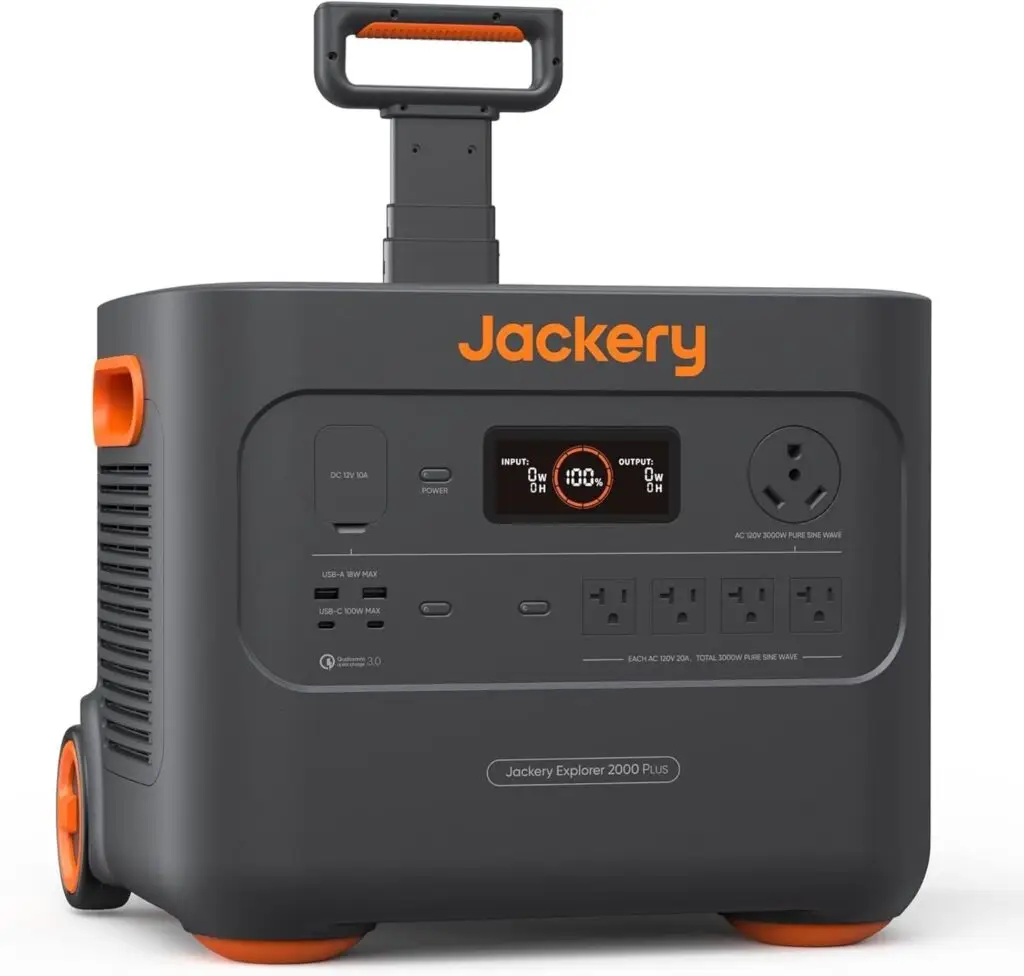
-
3000W Output
- 2,042.8 Wh Capacity
$1,999.00 Original price was: $1,999.00.$1,499.00Current price is: $1,499.00.
Time-of-Use Savings and Peak Shaving
Battery storage can sometimes reduce electricity costs by charging when rates are lower or from excess solar production, then supplying the home during higher-priced periods.
This strategy is commonly called time-of-use load shifting. Peak shaving is a related strategy that reduces the home’s highest grid demand, but it provides financial value primarily when the utility imposes demand-based charges or offers a suitable battery program.
Savings depend on the utility’s rate structure, battery-control settings, round-trip efficiency and equipment cost. Review the current tariff and model the expected savings before purchasing a battery primarily for this purpose.
Battery Incentives and Tax Credits
The federal Residential Clean Energy Credit is no longer available for residential battery-storage expenditures made after December 31, 2025. Do not assume a new battery installation qualifies for the former 30% federal credit.
State, local and utility incentives may still be available, but eligibility, funding and program requirements vary by location and can change quickly. Some programs also have limited annual funding or require approval before installation begins.
Check current programs through the Database of State Incentives for Renewables & Efficiency (DSIRE), your electric utility and a qualified tax professional before making a purchase. Confirm eligibility before signing a contract or ordering equipment.
Choosing a Home Battery System
Compare complete systems rather than selecting a battery based on brand recognition alone. Important considerations include:
• Usable storage capacity
• Continuous and surge power output
• Compatibility with existing solar equipment
• Whole-home or critical-load backup capability
• Warranty terms and expected battery life
• Installation cost and local service availability
Request multiple proposals based on the same backup loads and desired outage duration. This makes it easier to compare equipment, system capacity and total installed cost.
Compare local solar-and-storage proposals through EnergySage.
Matching a Backup Strategy to Your Needs
| Situation | Strategy to Consider |
|---|---|
| Essential medical or safety equipment | Dedicated essential-load backup sized from measured power and required runtime; consider a generator or other redundant source |
| Occasional short outages or limited budget | Modest battery serving a critical-load subpanel or selected circuits |
| Frequent or extended outages | Larger battery with load management; solar or generator charging may be needed for longer events |
| Renters or portable needs | Portable power station sized for specific essential devices; optional portable solar |
| High time-of-use rates and reliable grid | Grid-connected battery for time-of-use load shifting; confirm likely savings using the utility’s current rate plan |
| Whole-home backup | Professionally designed system based on realistic simultaneous loads, surge requirements and desired runtime |
Final Recommendations
Define your goal. Decide whether the priority is outage protection, electricity-cost management or both.
Identify essential loads. Record their running watts, starting or surge requirements and expected daily energy use.
Choose the required runtime. Longer backup duration generally requires more battery capacity and substantially increases cost.
Compare complete proposals. Evaluate usable capacity, power output, equipment compatibility, warranty coverage and total installed cost—not battery capacity alone.
Verify current incentives and utility rules. Check local programs, rate plans and interconnection requirements before purchasing equipment.
Use the Evergreen Off-Grid System Designer to estimate your loads and preliminary system requirements, or compare professionally installed solar-and-storage proposals through EnergySage.
Battery-backup design is highly situational. A carefully sized critical-load system may provide better value than attempting to operate an entire home through an extended outage.